
Author name: bubble design

The Access Project logo
Uncategorized

Process and implementation evaluation of The Access Project

The Access Project works with bright students from disadvantaged backgrounds to help them gain access to top universities through personalised academic tuition and university admissions support. They have robust impact measurement processes in place and are able to rigorously demonstrate the difference they make to young people’s progression and access to university. The Access Project

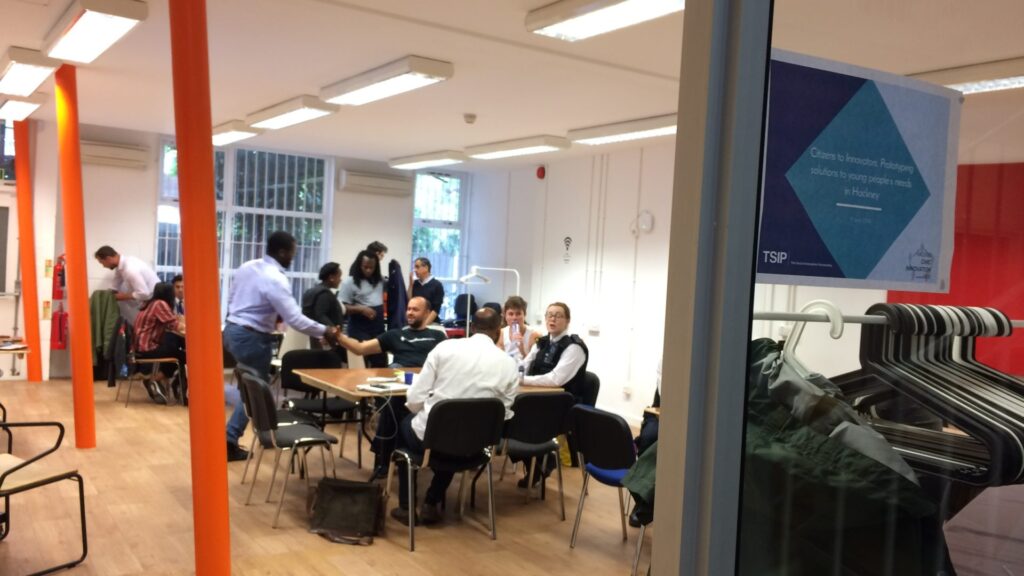
TSIP LAUNCHES PRACTICAL GUIDE TO MATCHED CROWDFUNDING FOR TRUSTS, FOUNDATIONS, GOVERNMENT DEPARTMENTS AND BUSINESSES
Uncategorized

TSIP LAUNCHES PRACTICAL GUIDE TO MATCHED CROWDFUNDING FOR TRUSTS, FOUNDATIONS, GOVERNMENT DEPARTMENTS AND BUSINESSES

‘Putting the pieces together: A practical guide to matched crowdfunding’ is aimed at funders that are interested in funding projects with the ‘crowd’ by awarding grants to projects that are crowdfunding. The report offers an overview of what matched crowdfunding is, who’s involved and different approaches along with insights and advice from experienced match funders, grantees and crowdfunding platforms. Click here to open the report.

Social Investment Business logo
Uncategorized

Nick Temple: Financing place-based change

As someone who has spent their entire life working in social enterprise and social investment, I come to this topic biased and have a strong belief that charities and social enterprises have a key role to play in improving a place. This comes from a sense that a stronger social economy can play a key

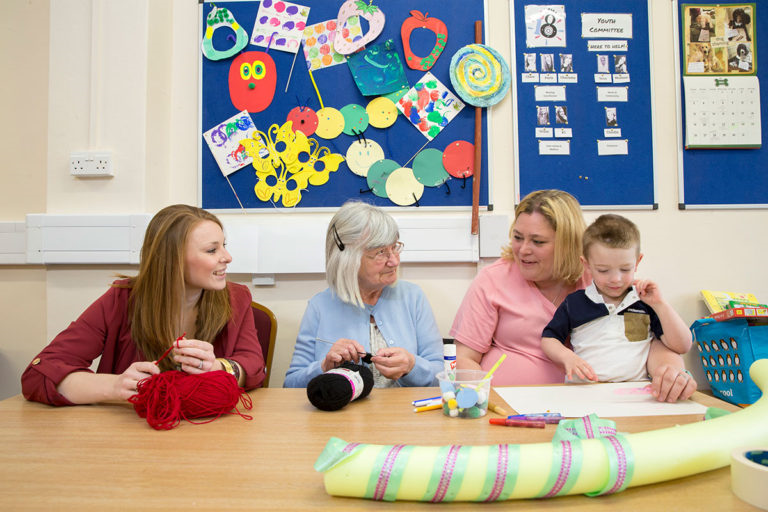
Sophie Gerrard image
Uncategorized

Moira Sinclair: A grant maker’s perspective

Paul Hamlyn was an entrepreneur, whose success was built on challenging traditional approaches, innovating and bringing new products to market, and backing individuals. He was also a migrant, whose own experiences of displacement and prejudice have shaped that values that guide the work of the charity he established in 1987. Today the Paul Hamlyn Foundation

community image
Uncategorized

Miriam Levin: Empower the people

Another way of framing the question is: if a place is improving, how can we make sure that the people living there benefit from the improvements and have a measure of control over what’s happening? We can all cite the regeneration schemes lauded as great successes, where the area was undoubtedly improved, with glittering new

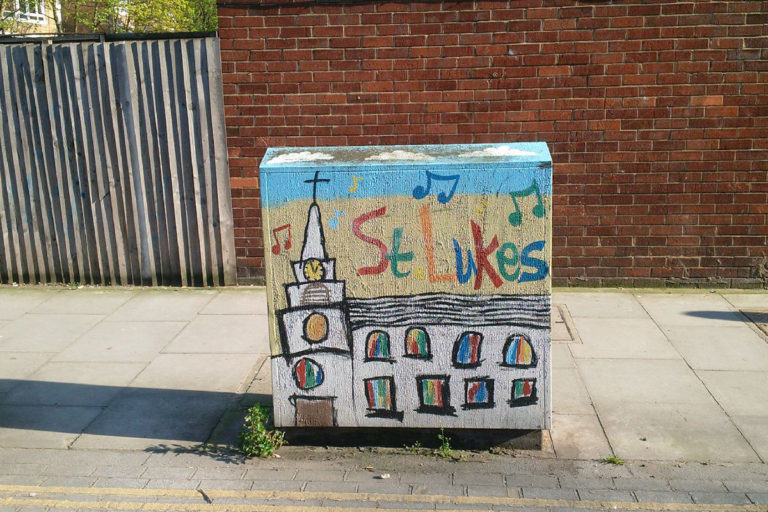
St Lukes
Uncategorized

Kirby Swales: Learning from place experience

The ‘How’ question is best understood and answered alongside its regular bedfellows: why, who, where and when. The Why Question The ‘why’ question is most important as it is the basis for a vision and how success may be measured. In my experience of looking at community and regeneration plans, the hardest part is creating

Scroll to Top